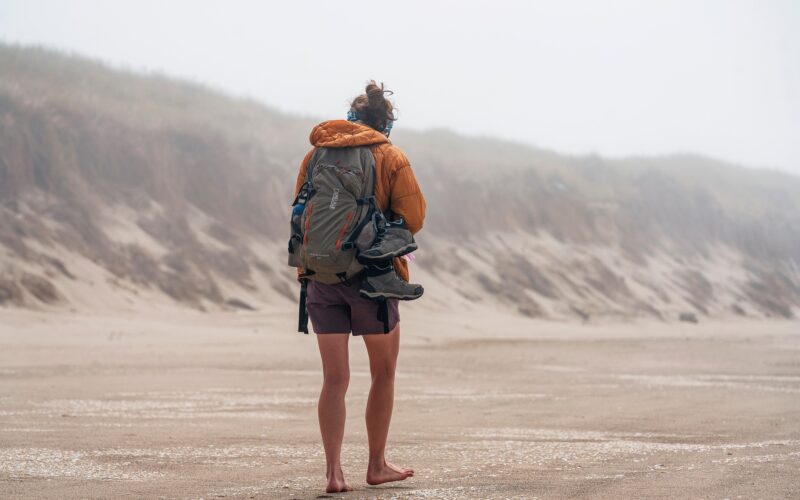
The Loneliness of the Long-Distance Walker
For decades, the image of the long-distance walker has been one of solitude—a lone figure traversing the landscape, lost in thought, detached from the bustle of society. While there is undeniable value in the peace of a solitary stroll, viewing walking solely as an act of isolation misses its profound potential as a social catalyst. In an era where digital connectivity often replaces genuine face-to-face interaction, putting one foot in front of the other has emerged as a powerful tool for rebuilding real-world community. Whether it is a structured ramble with strangers who become friends or a Sunday afternoon wander with relatives, walking provides a unique rhythm for socialising that is difficult to replicate in a coffee shop or across a dinner table.
The psychology of side-by-side communication
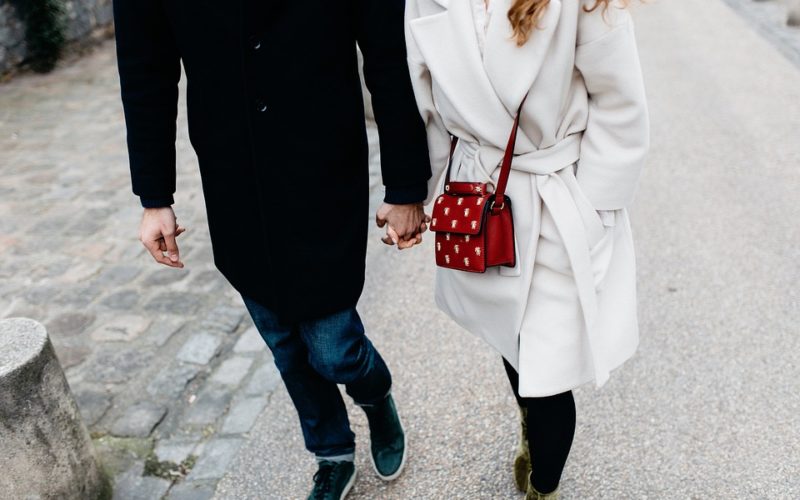
There is a distinct psychological advantage to communicating while moving. Eye contact, while important, can sometimes feel intense or confrontational, particularly when discussing sensitive topics or meeting new people. Walking creates a "side-by-side" dynamic that lowers social anxiety and encourages openness. When you walk with others, the shared rhythm of your steps often leads to a shared rhythm in conversation. Silences, which might feel awkward in a seated setting, become natural moments of reflection while observing the environment. This lower barrier to entry makes walking an ideal activity for those who might feel socially anxious or isolated, providing a gentle path back into community life without the pressure of forced performance.
Discovering local walking groups
One of the most effective ways to combat loneliness is to join an established walking group. Across the UK, organisations like the Ramblers have long championed the social aspect of hiking, but the landscape of walking groups has diversified significantly. Today, you can find groups dedicated to everything from historical urban tours and foraging expeditions to "net-walking" for professionals and mental health support walks. These gatherings strip away the need for pre-existing friendships; the activity itself is the icebreaker. By joining a group, you instantly gain a shared purpose with your fellow walkers. The regularity of these meetups fosters a sense of belonging and routine, transforming a group of strangers into a reliable support network over the course of a few miles.
Strengthening family bonds through nature
Beyond meeting new people, walking is an exceptional way to deepen existing relationships, particularly within families. Modern family life is frequently fragmented by screens, work commitments, and the compartmentalisation of leisure time. A family outing to a local park or a hike in the countryside removes these distractions. Without the competition of television or smartphones, parents and children often find themselves engaging in more meaningful dialogue. For multi-generational families, a walk is one of the few activities that can be tailored to suit everyone from toddlers to grandparents. It creates a neutral ground where hierarchy softens, allowing family members to reconnect as individuals sharing an experience rather than just occupants of the same house.
Building a wider sense of community
Engaging in regular walking also connects us to our immediate physical community. When we drive through our neighbourhoods, we are sealed in metal boxes, passing through rather than participating. Walking slows us down. It allows for incidental interactions—a nod to a neighbour, a chat with a shopkeeper, or a pause to pet a dog. These "weak ties" are surprisingly vital for our sense of social well-being. They ground us in our locality and make our neighbourhoods feel safer and friendlier. Furthermore, many communities now organise "walking buses" for schools or community clean-up walks, transforming a simple mode of transport into an act of civic engagement and collective care.
Taking the first step towards connection
The transition from solitary walker to community member requires only a small shift in intention. It does not require expensive equipment or a high level of fitness, only the willingness to step outside and invite others to join you. Whether you choose to sign up for a charity trek, join a local Ramblers group, or simply ask a friend to join you for a loop around the park, you are actively dismantling the wall of loneliness. Walking is more than physical exercise; it is a social glue that has bound humans together for millennia. By reclaiming this communal activity, we improve not only our physical health but the health of our social connections as well.